
Introduction:
In today's fast-paced digital landscape, businesses and individuals alike are constantly seeking ways to optimize their processes, improve productivity, and drive innovation. One of the most transformative technologies facilitating these goals is Artificial Intelligence (AI). AI tools have emerged as powerful resources across various industries, offering unprecedented capabilities to automate tasks, gain insights from data, and augment human decision-making. In this blog, we'll explore the diverse range of AI tools available today, their applications, and the profound impact they are having on businesses and society as a whole.
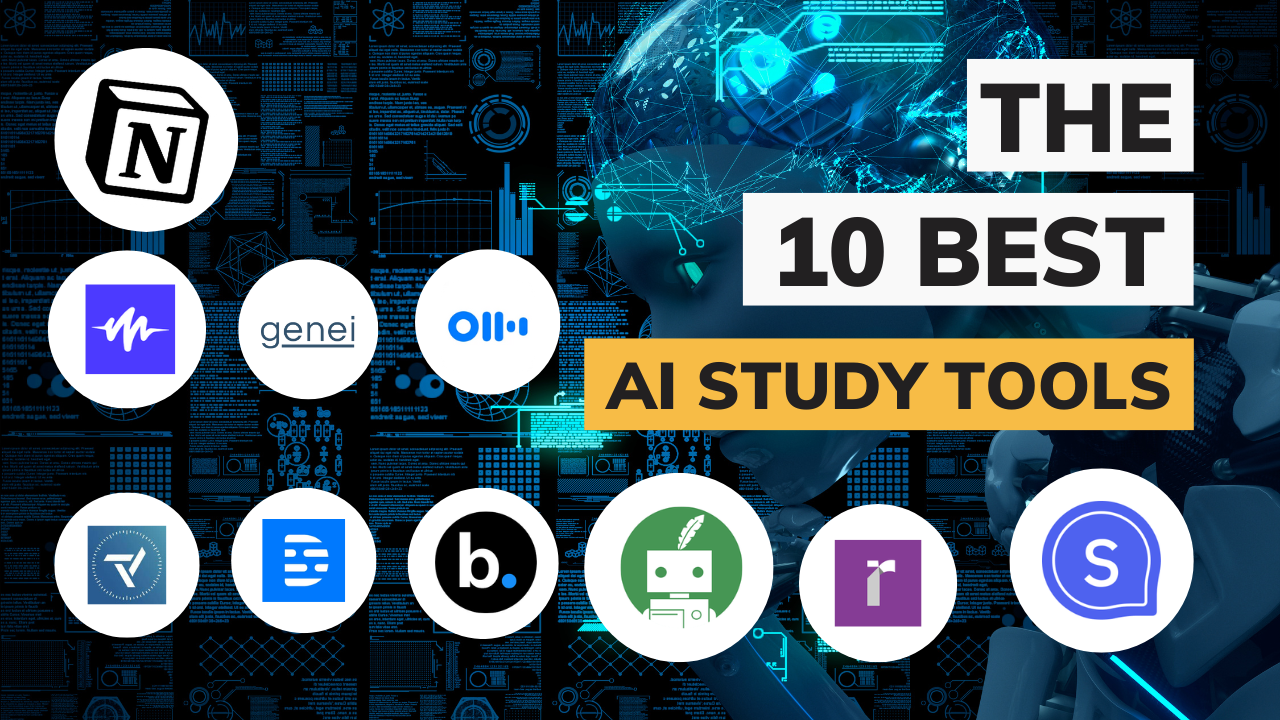
Understanding AI Tools:
AI tools encompass a broad spectrum of technologies that leverage machine learning, natural language processing, computer vision, and other AI techniques to perform tasks that traditionally required human intelligence. These tools are designed to analyze vast amounts of data, recognize patterns, make predictions, and even engage in autonomous decision-making. Some common categories of AI tools include:
1. Natural Language Processing (NLP) Tools: NLP tools enable computers to understand, interpret, and generate human language. They power applications such as chatbots, sentiment analysis, and language translation services. Examples include OpenAI's GPT (Generative Pre-trained Transformer) models and Google's BERT (Bidirectional Encoder Representations from Transformers).
2. Machine Learning Platforms: Machine learning platforms provide frameworks and libraries for developing, training, and deploying machine learning models. Popular platforms like TensorFlow, PyTorch, and scikit-learn offer robust toolsets for building predictive models, image recognition systems, and recommendation engines.
3. Computer Vision Tools: Computer vision tools enable machines to analyze and interpret visual information from images or videos. They find applications in object detection, facial recognition, autonomous vehicles, and medical imaging. Notable examples include OpenCV, YOLO (You Only Look Once), and Amazon Rekognition.
4. Automated Data Analysis Tools: These tools utilize AI algorithms to analyze data, identify trends, and generate insights. They streamline the process of data exploration, visualization, and hypothesis testing, empowering organizations to make data-driven decisions more efficiently. Examples include Tableau, Power BI, and Google Data Studio.
5. Robotic Process Automation (RPA) Tools: RPA tools automate repetitive tasks by mimicking human interactions with digital systems. They are used for tasks such as data entry, form processing, and invoice processing, freeing up human resources for more strategic activities. Leading RPA platforms include UiPath, Automation Anywhere, and Blue Prism.
Applications of AI Tools:
The versatility of AI tools allows them to be applied across various industries and use cases:
1. Healthcare: AI-powered diagnostic tools can analyze medical images, detect diseases, and assist healthcare professionals in treatment planning. Additionally, wearable devices equipped with AI algorithms can monitor patient health in real-time, enabling early intervention and personalized care.
2. Finance: AI tools are revolutionizing the finance industry by automating trading strategies, detecting fraudulent transactions, and providing personalized financial advice. Chatbots equipped with NLP capabilities offer customer support and assist with account management tasks.
3. Marketing and Advertising: AI tools analyze consumer behavior, predict purchasing patterns, and personalize marketing campaigns. They enable targeted advertising, content recommendation, and sentiment analysis of social media interactions, leading to more effective marketing strategies.
4. Manufacturing: AI-driven predictive maintenance tools monitor equipment health, anticipate failures, and optimize maintenance schedules, reducing downtime and maintenance costs. Autonomous robots equipped with computer vision capabilities assist in assembly, quality control, and warehouse management tasks.
5. Education: AI tools enhance the learning experience through personalized tutoring, adaptive learning platforms, and intelligent content creation. They analyze student performance data to identify areas for improvement and provide tailored learning materials based on individual learning styles.
Impact and Benefits:
The adoption of AI tools yields numerous benefits for organizations and individuals:
1. Increased Efficiency: AI automation streamlines workflows, eliminates manual tasks, and accelerates decision-making processes, resulting in higher productivity and cost savings.
2. Enhanced Insights: AI-powered analytics tools uncover hidden patterns in data, providing valuable insights for strategic planning, risk management, and business optimization.
3. Improved Accuracy: AI algorithms perform tasks with precision and consistency, minimizing errors and reducing the risk of human bias in decision-making.
4. Personalization: AI enables personalized experiences tailored to individual preferences, leading to higher customer satisfaction and engagement.
5. Innovation: AI tools fuel innovation by enabling the development of new products, services, and business models that leverage advanced technologies.
Challenges and Considerations:
Despite their transformative potential, AI tools also pose challenges and considerations:
1. Ethical and Privacy Concerns: AI raises ethical questions related to data privacy, algorithmic bias, and the impact on employment. Organizations must prioritize ethical AI practices and ensure transparency and accountability in their AI systems.
2. Data Quality and Bias: AI models are only as good as the data they are trained on. Biases present in training data can lead to biased predictions and decision-making, potentially reinforcing existing societal inequalities.
3. Regulatory Compliance: Compliance with regulations such as GDPR (General Data Protection Regulation) and HIPAA (Health Insurance Portability and Accountability Act) is essential when handling sensitive data using AI tools.
4. Skills Gap: The rapid evolution of AI technologies requires organizations to invest in upskilling their workforce to harness the full potential of AI tools effectively.
Conclusion:
AI tools are driving a paradigm shift in how businesses operate, innovate, and interact with customers. From automating routine tasks to unlocking insights from data and enabling personalized experiences, AI tools are reshaping industries and empowering organizations to stay competitive in a digital-first world. Embracing AI technologies and addressing associated challenges will be crucial for unlocking the full potential of AI-driven transformation in the years to come.